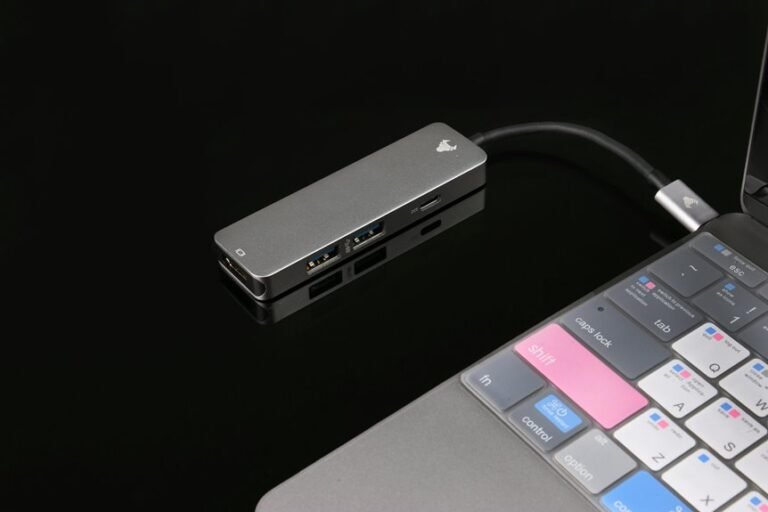
Professional Enterprise Hub 671511421 Security
The security framework of Professional Enterprise Hub 671511421 is designed with multiple layers of protection. It incorporates advanced features such as multi-factor authentication and real-time monitoring to mitigate unauthorized access risks. Furthermore, data encryption transforms sensitive information into formats that are secure and unreadable to unauthorized users. As organizations face evolving cyber threats, understanding how these security measures interact becomes crucial for maintaining data integrity and operational resilience. What further strategies can enhance this security landscape?
Understanding the Security Features of Professional Enterprise Hub 671511421
The security features of the Professional Enterprise Hub 671511421 are designed to provide robust protection for sensitive data and ensure operational integrity.
Implementing advanced security protocols, the system safeguards against unauthorized access, thus maintaining data integrity. These protocols include multi-factor authentication and real-time monitoring, ensuring that only authorized users can access critical information, thereby fostering an environment conducive to operational freedom and security.
How Does Encryption Protect Your Data in the Enterprise Hub?
How can encryption serve as a formidable shield for data within the Professional Enterprise Hub?
By employing advanced encryption methods, organizations ensure data integrity, safeguarding sensitive information against unauthorized access.
These techniques transform data into an unreadable format, which can only be decrypted by authorized users.
Thus, encryption not only protects data but also fosters trust and security within the enterprise environment.
The Role of Access Controls in Securing Sensitive Information
Access controls serve as a critical mechanism for safeguarding sensitive information within the Professional Enterprise Hub, complementing encryption efforts.
Employing robust user authentication techniques ensures that only authorized personnel access sensitive data.
Additionally, effective role management allocates permissions based on individual responsibilities, minimizing risk exposure.
Together, these strategies enhance security frameworks, empowering organizations to maintain data integrity and confidentiality while fostering a culture of freedom through responsible access.
Responding to Cyber Threats: Incident Management and Recovery Plans
While organizations strive to implement preventative measures against cyber threats, the reality of potential incidents necessitates a well-structured incident management and recovery plan.
Effective incident response involves rapid identification, containment, eradication, and recovery from breaches.
Robust recovery strategies ensure business continuity, minimizing downtime and data loss.
Conclusion
In summary, the security measures implemented within Professional Enterprise Hub 671511421 are designed to create a formidable defense against potential cyber threats. By integrating multi-factor authentication, data encryption, and stringent access controls, the platform ensures that sensitive information remains protected. As organizations increasingly rely on digital infrastructures, one must consider: how prepared is your enterprise to withstand evolving cybersecurity challenges? A proactive approach to security is not just beneficial; it is essential for safeguarding valuable data assets.