The Future of 5G Technology and Mobile Networks
The advent of 5G technology represents a pivotal moment in the evolution of mobile networks. Its potential to enhance speed and reduce latency could significantly alter daily interactions and operational efficiencies across multiple sectors. As the infrastructure develops, various industries are poised for transformation. However, challenges in deployment remain a critical consideration. Understanding these dynamics will be essential for grasping the future landscape of connectivity and its broader implications.
The Impact of 5G on Everyday Life
As 5G technology continues to roll out globally, its impact on everyday life becomes increasingly profound and multifaceted.
Smart homes are experiencing enhanced interconnectivity, allowing for seamless automation and energy management.
Meanwhile, connected vehicles benefit from real-time data exchanges, improving navigation and safety.
This technological evolution fosters a new era of convenience and efficiency, enabling individuals to embrace greater autonomy in their daily lives.
Key Industries Transformed by 5G Technology
While many industries stand to benefit from the advent of 5G technology, its transformative potential is particularly evident in sectors such as healthcare, manufacturing, and entertainment.
In healthcare innovation, real-time data transmission enhances patient care, while smart agriculture leverages IoT devices for efficient resource management.
These advancements not only optimize productivity but also empower individuals to harness technology for greater autonomy and sustainability.
See also: Global Tech Hub 917718319 Cloud
Challenges Facing 5G Deployment
The rapid advancement of 5G technology promises to revolutionize various sectors, yet its deployment is fraught with significant challenges that must be addressed to fully realize its potential.
Regulatory hurdles impede timely implementation, while the need for substantial infrastructure investment strains financial resources.
These obstacles highlight the importance of collaborative efforts among stakeholders to facilitate smoother transitions and unlock the transformative capabilities of 5G networks.
The Future Landscape of Mobile Connectivity
With the advent of 5G technology, the landscape of mobile connectivity is poised for unprecedented transformation, characterized by enhanced speed, reduced latency, and the proliferation of connected devices.
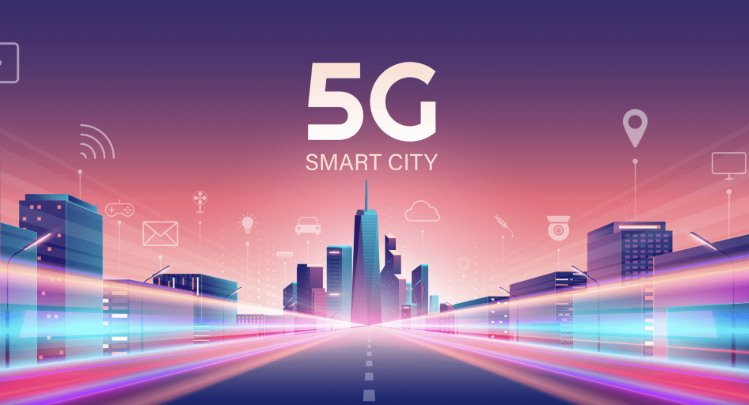
This evolution enables the development of smart cities, where real-time data integration optimizes urban living, while autonomous vehicles rely on seamless communication networks, enhancing safety and efficiency.
Ultimately, this promotes a more liberated and interconnected society.
Conclusion
The advent of 5G technology heralds a transformative era in mobile networks, propelling industries and daily life into an interconnected future. As speed and efficiency redefine communication, the journey toward seamless automation poses challenges that must be addressed. Will society embrace this technological evolution responsibly, ensuring equitable access and safeguarding privacy? The answers will shape the fabric of urban living, influencing not only how we connect but also how we coexist in an increasingly digital world.