The Future of 5G Technology
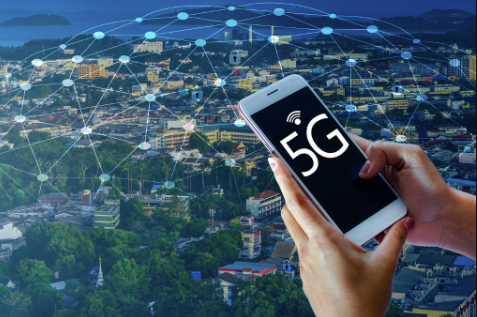
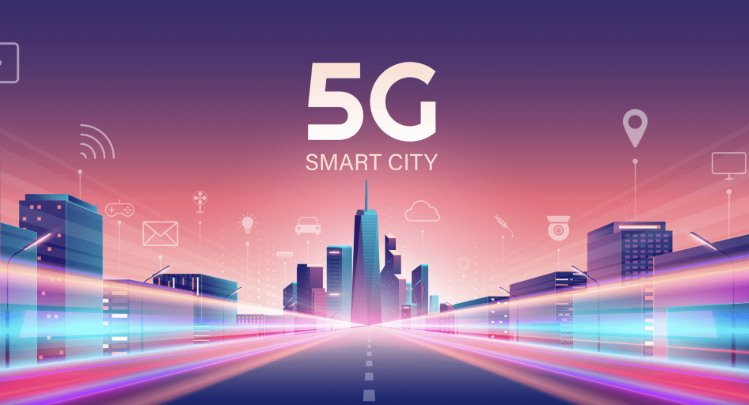
The advancement of 5G technology is set to significantly alter the landscape of connectivity. With enhanced data speeds and reduced latency, various sectors stand to benefit. Smart cities, remote healthcare, and immersive digital experiences are just a few areas poised for transformation. However, the rollout of 5G also presents challenges and risks that merit careful consideration. As these developments unfold, the implications for industries and daily life warrant closer examination.
The Impact of 5G on Everyday Life
As 5G technology continues to roll out globally, its potential to transform everyday life becomes increasingly evident.
Enhanced connectivity enables the proliferation of smart homes, where devices communicate seamlessly, optimizing energy use and security.
Similarly, connected vehicles benefit from real-time data exchange, improving safety and traffic management.
This revolution empowers individuals with greater control and efficiency in their daily activities, promoting a more liberated lifestyle.
How 5G Will Revolutionize Industries
While industries have traditionally relied on established technologies, the advent of 5G is set to catalyze unprecedented advancements across various sectors.
Smart cities will enhance connectivity, enabling efficient resource management. Autonomous vehicles will rely on real-time data for safety. Remote healthcare will facilitate timely interventions, while enhanced logistics streamline operations.
Furthermore, virtual reality applications will transform training and customer experiences, fostering innovation and growth.
The Challenges and Risks of 5G Implementation
The implementation of 5G technology, despite its transformative potential across various industries, presents a complex array of challenges and risks that must be addressed.
Key concerns include network security vulnerabilities, which can expose critical infrastructure to cyberattacks, and ongoing health concerns regarding the long-term effects of increased electromagnetic radiation exposure.
These factors necessitate thorough regulatory scrutiny and public dialogue to ensure safe and effective deployment.
See also: mangabtt
What to Expect in the Future of 5G Technology?
How will the future of 5G technology shape communication and connectivity?
Network advancements will enhance data speeds and reduce latency, facilitating seamless interactions across devices. This evolution promises to bolster global connectivity, empowering individuals and businesses alike.
The expansion of 5G networks will foster innovation, enabling a range of applications from smart cities to remote healthcare, ultimately redefining the landscape of digital communication.
Conclusion
In conclusion, the advent of 5G technology represents a seismic shift in connectivity, akin to unlocking a new dimension of possibility. As it permeates everyday life and industries, fostering innovation and efficiency, the challenges of implementation must not be overlooked. The path to a fully realized 5G future is fraught with obstacles, yet its potential to enhance the human experience and catalyze transformative change is undeniable, heralding an era where digital and physical realms seamlessly intertwine.